
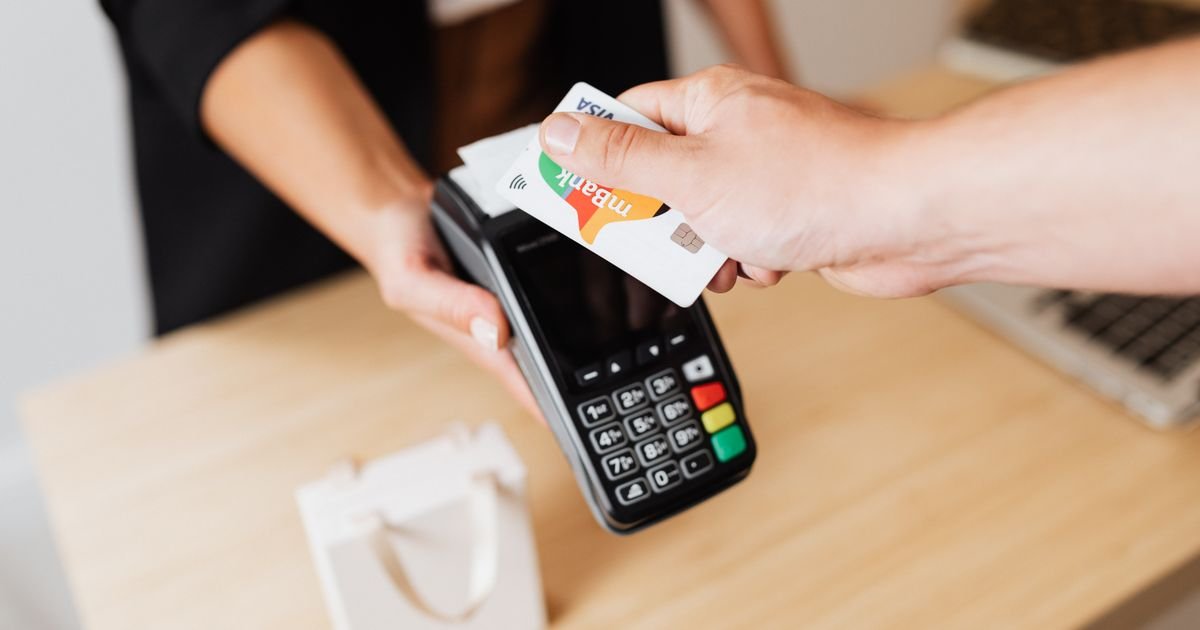
The European Central Bank’s latest consumer payments study says cards were used more often than cash at physical locations for the first time since comparable data were collected in 2016. I think the most useful number in the release sits further down: in every euro area country, at least 12% of consumers met non-acceptance of mobile or card payments at least once in the month before the survey. That figure needs a target, and a breakdown.
What the ECB reported
The ECB published the latest edition of its study on the payment attitudes of consumers in the euro area, known as SPACE, on November 25. In 2026 cards accounted for 45% of transactions in shops and cash for 44%. Mobile payments rose to 9%, from 6% in 2024. Consumer preferences moved less: 54% preferred cards or other cashless methods when paying in a shop, 22% preferred cash and 23% had no clear preference.
The study also asked about choice. For 82% of euro area consumers it is important to have the option to pay digitally, and 62% value the option of paying with cash. Only 3% reported never using cash. The survey covered 51,551 respondents.
Advertisement

Piero Cipollone, a member of the ECB’s Executive Board, drew the conclusion himself. “Digital means of payment are becoming more important in day-to-day transactions, but choice is what really matters for Europeans,” Cipollone said in the release.
Why the acceptance number carries the argument
If choice is what matters, the place where choice fails is where the policy goal fails. The release reports two figures on the cash side. Most consumers still find cash easy to access, though the share fell to 85% from 87% in 2024, and 19% of those who tried an ATM in the previous year experienced difficulties. That is a share, a trend and a failure rate.
The card and mobile side gets one figure: in all euro area countries, at least 12% of consumers experienced non-acceptance at least once in the month preceding the survey. The release gives the floor and nothing else. It does not say which country sits above 12%, what kind of merchant refused, or how large the purchase was. It does say cash remains especially important for small value payments and payments between individuals, which suggests the answer may differ by purchase size, but the release does not test that.
My argument is that a regulator, an acquirer or a wallet provider reading this release learns that digital refusals exist and learns nothing about where to act. The cash side has enough detail to direct work. The digital side does not.
What I would ask for
I would ask the ECB for three additions in the next edition of the study, and I would ask payment firms to publish the same three for their own networks.
- A figure for each country. The floor of 12% hides the spread. A country at 12% and a country at 30% need different responses.
- A split by merchant type and purchase size. If refusals cluster in small-value purchases, that is a point-of-sale pricing and terminal question. If they cluster in one sector, it is an acquiring question.
- A repeat measure. One refusal in a month and a refusal every week are different problems, and a yes-or-no question cannot separate them.
Acquirers and wallet operators can start sooner than any survey. Our analysis of Google Wallet’s launch on iPhone and our report on a payments brand relaunch for travel and digital merchants both concern payment methods whose reach depends on merchants accepting them. A published acceptance rate by segment would tell a finance leader more about that reach than a launch announcement does.
The strongest counter-argument
The best objection is that the ECB has answered what it set out to ask. The release says consumers want both options, that cards have passed cash by one percentage point, and that the ECB “will continue to ensure citizens have the freedom to choose how to pay, by safeguarding cash while preparing for the possible issuance of its digital equivalent, the digital euro.” On this view a floor of 12% is enough to justify that program, and a finer breakdown would only add survey cost.
I do not think that holds. A floor that every country clears cannot rank the countries, and a survey that counts one refusal in a month as a refusal cannot tell a cash-only market stall from a systemic gap in a retail chain. The ECB’s own commitment to freedom of choice is a commitment that can only be checked with data fine enough to show where choice is missing. The cash side of the release already meets that standard. The digital side should meet it too.
The finance leader’s version of this is practical. If you run acquiring, terminals or checkout, measure your acceptance by segment before a regulator or a client does it for you.
Source: European Central Bank