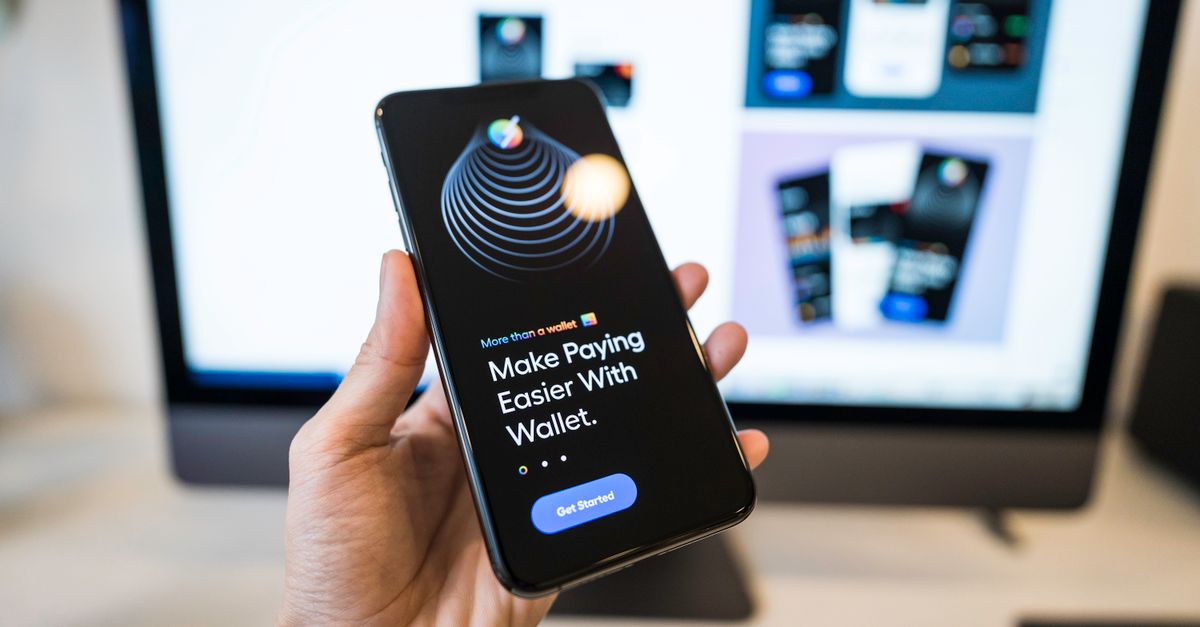
Visa introduced an AI Financial Assistant this week, a white-label conversational layer that banks can drop into their own mobile apps under their own branding rather than build in-house. The assistant delivers proactive monthly spending summaries, answers natural-language questions grounded in a cardholder’s actual transaction history, and can execute in-app actions like locking a card or setting an alert directly from the conversation. It runs on Visa’s Data & AI Platform, which vets multiple underlying AI models for security, accuracy, and compliance before a bank ever sees them. A US pilot with financial institutions starts in August, with global rollout to follow.
The significance is less the chatbot itself than where Visa has chosen to sit in the stack. Rather than compete with banks for the customer relationship, Visa is packaging AI as a white-label utility layered onto its existing Digital Issuer Solutions, alongside features like Enhanced Subscription Manager and Digital Card Display. That positioning matters for any bank weighing a multi-year build against a network-supplied capability it can brand as its own within months. Michele Herron, Visa’s SVP and head of North America value-added services, put the rationale plainly: banks “have the full financial picture, can act on it, and are among the most trusted institutions,” and Visa’s bet is that trust converts faster through an assistant a customer already recognizes as their bank’s own.
The original signal here is sequencing. Visa is not launching autonomous payment agents first, it is launching the advisory layer, insights and Q&A, ahead of transaction-executing AI. That order suggests card networks see conversational trust as the prerequisite banks need before they will hand AI systems spending authority, a pattern that lines up with the same networks’ parallel push toward becoming the settlement layer for fully autonomous AI agents.
Source: Visa