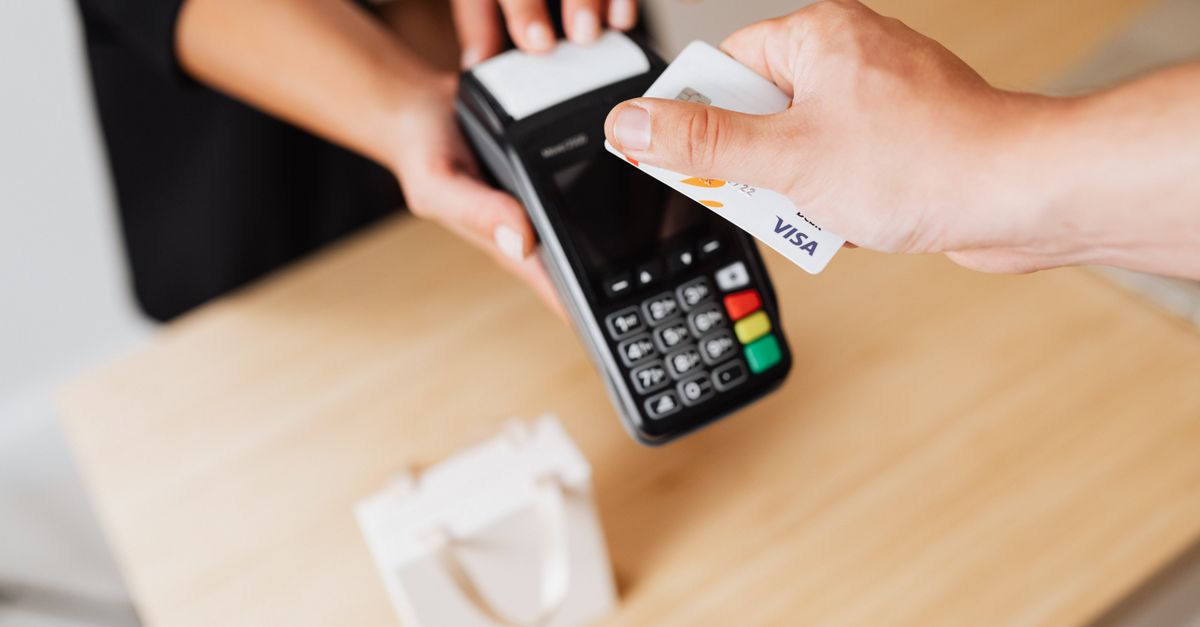
Europe’s payment apps keep finding new ways to stop looking like payment apps. Satispay, the Italian mobile payments platform, launched debit cards issued on the Mastercard network on July 7, alongside a self-directed investing product covering more than 1,000 stocks and ETFs. The move follows an IBAN product launched earlier and pushes the company squarely into the territory banks used to treat as their own.
The card lineup is tiered to Satispay’s three subscription plans: a Mastercard Platinum card with double reward points, a metal Mastercard World card with zero foreign exchange fees and discounted airport lounge access, and a top-tier Mastercard World Elite card with unlimited complimentary lounge access and no exchange fees at all. All three offer free cash withdrawals in Italy and abroad within plan limits, with digital versions live immediately and physical cards rolling out over coming months.
Why it matters: Satispay closed the first half of 2026 with 120 million euros in annualized recurring revenue, growth of more than 75 percent year over year, and 6.5 million users across a merchant network of 450,000 businesses. Adding cards and investing to that base is not a feature update, it is a bid to own the full financial relationship rather than a slice of it, the same trajectory that has pulled Klarna toward a full US banking charter rather than a narrower lending license.
The original insight here is about sequencing. Satispay built payments and IBAN accounts first, at scale, before adding cards and investing, which is the reverse of how a traditional bank expands. It suggests that for a payments app with enough transaction volume and user trust, the card and the brokerage account become the easy, late-stage additions, not the hard part of becoming a bank.
Source: Satispay