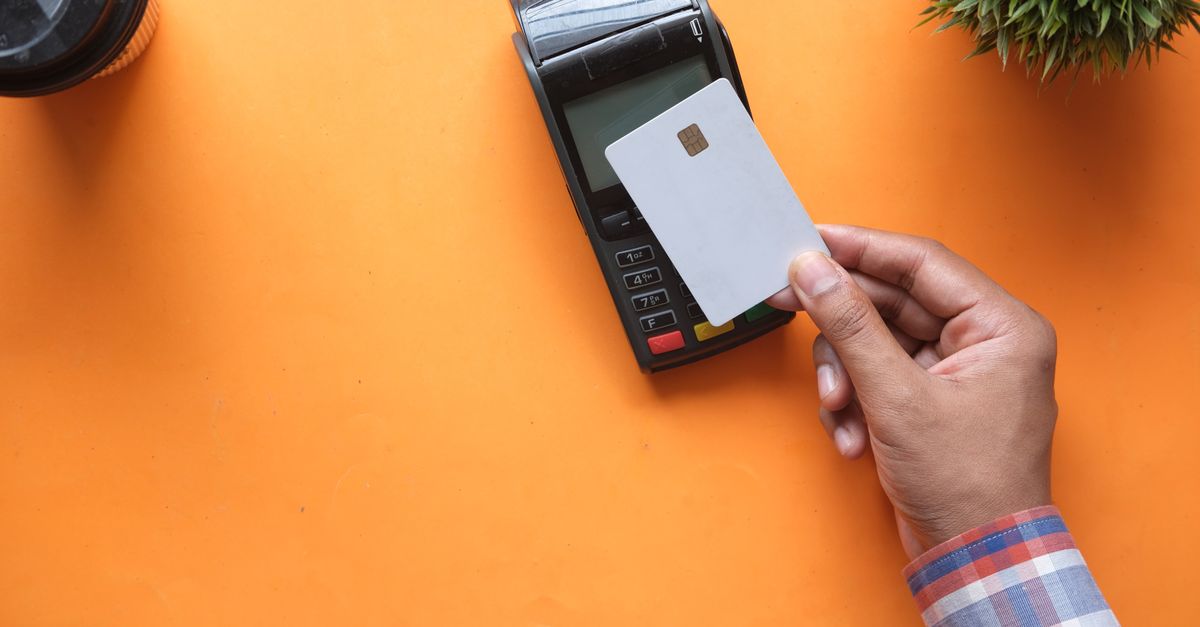
Emerging market banks are folding cross-border dollar access directly into everyday business banking products instead of leaving it to specialist correspondent arrangements. The National Bank of Egypt and Mastercard launched a USD Corporate Debit Card on July 27, giving Egyptian small and medium enterprises and large corporates a dollar-denominated debit card, issued through ordinary NBE branches, for paying international suppliers, service providers, and digital platforms on Mastercard’s global payment network.
What happened: NBE and Mastercard built the card to solve a persistent friction point, converting local currency for international payments through ad hoc channels. It is available immediately through NBE’s branch network and targets both SMEs and large corporates. Soha El Turky, NBE’s Deputy CEO, called it a way of “equipping both SMEs and large corporates with innovative payment solutions that simplify cross-border transactions,” while Mastercard’s Egypt country manager Mohamed Assem framed the goal as making “inclusive, borderless commerce” the basis for economic growth.
Why it matters: Egypt has faced recurring dollar liquidity constraints, and businesses without hard currency accounts have relied on informal channels or delayed payments while waiting for FX availability. A dollar-denominated card distributed at ordinary branches, rather than through a specialist trade finance desk, lowers the operational bar for an Egyptian SME to pay a supplier abroad the same way it pays a domestic invoice, a meaningfully different distribution model than the correspondent banking and letter of credit arrangements many emerging market businesses still depend on.
The original insight is about product design, not currency policy. NBE and Mastercard are not solving Egypt’s dollar liquidity constraints; they are making existing dollar liquidity usable through a mainstream card rather than a specialist process, the same logic behind embedded cross-border tools like Visa and Airwallex’s freight payments push. As emerging market banks fold currency access into ordinary banking products, the competitive question shifts from which bank has the best FX desk to which bank makes dollar access feel least like a special request.
Source: Mastercard