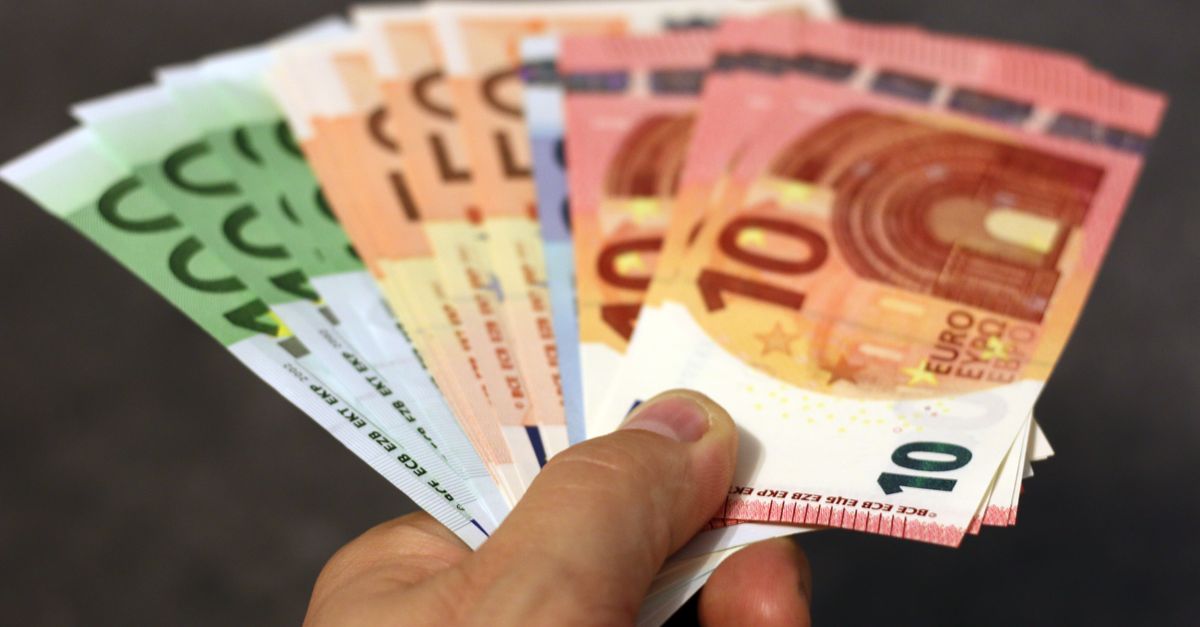
Cash remains the most widely accepted payment method among euro area companies, according to a European Central Bank survey of 8,205 companies across all 21 euro area countries conducted between February and April 2026. Ninety-two percent of companies accept cash, up from 90% in 2024, while card acceptance held steady at 88% and mobile payment acceptance jumped from 36% to 68% over the same two years.
The numbers matter for payments providers because they complicate the assumption that digital acceptance simply displaces cash over time. Mobile payments are growing fast, but cash acceptance is rising alongside it rather than being crowded out, and a quarter of companies say they have actively taken steps to promote digital payments, including installing cashless-only tills and, in 13% of cases, adding self-checkout terminals, evidence that digital growth is partly a deliberate merchant push rather than a passive market drift. Cash’s staying power also shows up in retail banking’s own product decisions, including deals that turn ordinary retail checkout lanes into cash deposit points for digital-first banks that still need a physical cash bridge.
The original insight is in what companies say drives the decision: consumer preference, cited by 26% of respondents, outweighs cost or convenience factors. That reframes digital payment acceptance as a demand-side outcome merchants respond to, not a supply-side technology rollout banks and processors can force through better tools alone, a distinction that matters for anyone selling the next generation of card-based digital banking products into markets where cash habits remain sticky.
Source: European Central Bank