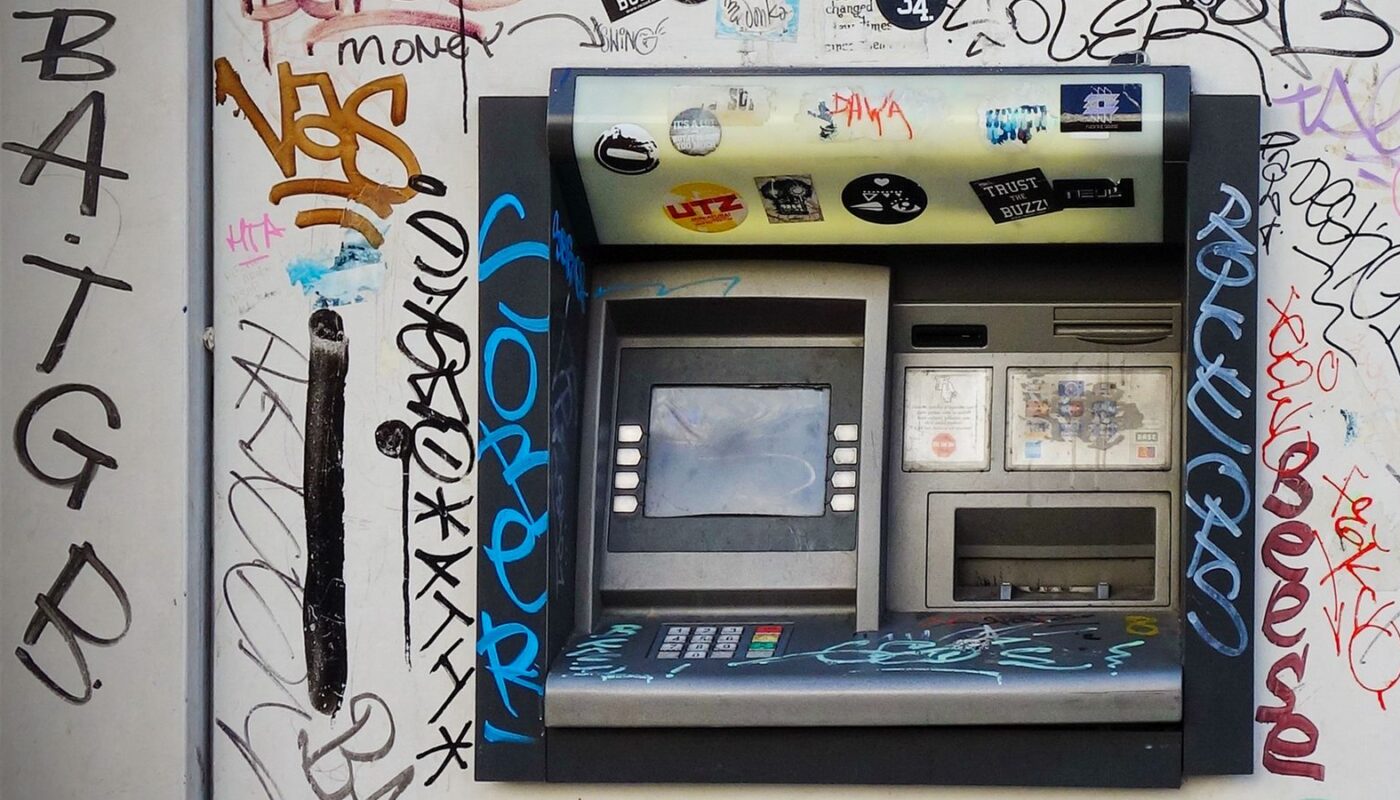
Arizona’s Attorney General says the state’s year-old cryptocurrency kiosk law has now returned $171,332 to 35 scam victims in full, the clearest sign yet that state-level crypto ATM rules, not federal ones, are where fraud recovery is actually happening. The Cryptocurrency Kiosk License Fraud Prevention law, in effect since September 26, 2025, requires kiosk operators to refund new customers, those using an operator for fewer than 10 days, who report a fraudulent transaction within 30 days and provide a law enforcement fraud determination.
The law matters for fintech risk teams because it puts a concrete liability backstop on kiosk operators rather than leaving victims to chase restitution through criminal courts, where recovery rates on crypto scams are typically low. It also caps new-customer transactions at $2,000 a day versus $10,500 for existing customers and requires on-screen fraud warnings before a transaction completes, shifting compliance cost onto the operator at the point of sale rather than after the fact. Attorney General Kris Mayes said: “My office is happy to help any victim of crypto ATM fraud receive a refund they are entitled to under Arizona law. Knowing the signs of crypto ATM fraud can help protect you and your loved ones, but if you have fallen victim to this scam, contact my office right away. We are here to help.”
The original insight is in the state-by-state divergence this is producing. Arizona chose refunds and operating limits over prohibition, while Minnesota banned crypto kiosks outright in August 2026 after citing nearly $1 million in reported senior-targeted losses. Operators now face a 50-state patchwork of refund mandates, transaction caps and outright bans, which raises the real cost of compliance for any multi-state kiosk network well beyond what a single federal standard would, and gives fraud-prevention vendors a growing state-by-state rulebook to build against, similar to the pattern already forming around crypto’s broader federal-state regulatory tension and the card-network push into fraud detection as a core infrastructure layer.
Source: Arizona Attorney General