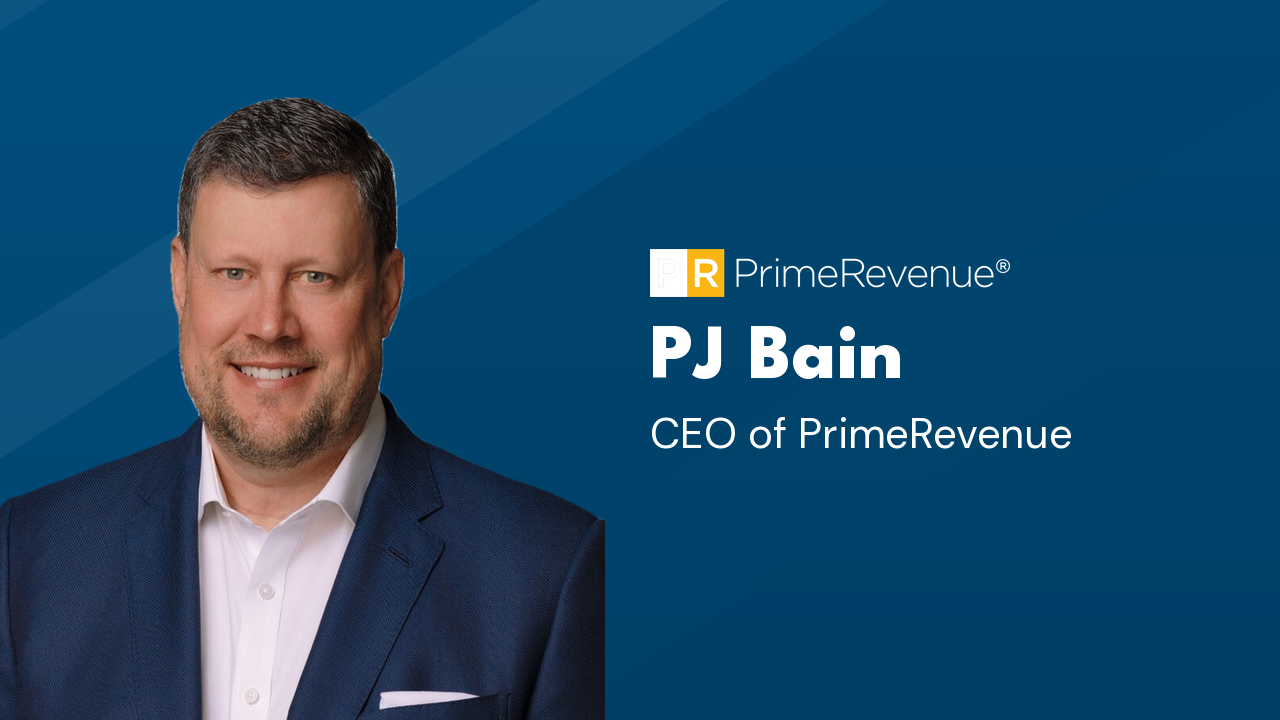
PJ Bain is CEO of PrimeRevenue, a working capital and B2B payment solutions company. FinTech Edition sent PrimeRevenue five questions about its tokenization of Electronic Time Drafts on Solana, and he answered them in writing.
What are Electronic Time Drafts, and what is the significance of bringing them on-chain?
Electronic Time Drafts (ETDs) are a foundational payment instrument in trade finance, representing a buyer’s obligation to pay a specified amount at a defined future date. A funder can purchase the draft, pay the supplier early and collect payment from the buyer at maturity. In other words, the supplier gets paid early while the buyer preserves its cash until the agreed payment date, so all parties benefit. While PrimeRevenue’s technology already manages ETDs electronically, bringing them on-chain with Solana creates a path to new sources of capital for trade finance. Combining the capabilities of traditional and decentralized finance opens up possibilities across financial supply chains.
Advertisement

How does an Electronic Time Draft settle at maturity once it sits on Solana?
Funders hold the tokenized drafts on Solana, which gives them a shared, verifiable record of ownership and settlement. Meanwhile, buyers and suppliers continue to transact in fiat on the PrimeRevenue Platform using their existing payment files and flows. Once the funder pays the supplier, the draft is minted on-chain. At maturity, the funder collects payment from the buyer, with settlement in fiat for this initial rollout. Once the buyer pays, the token is burned, meaning it’s permanently removed. Each issuance, transfer, lifecycle event and maturity settlement is captured instantly so capital can move at the pace of commerce. Our records and the on-chain ledger always reconcile.
Why did PrimeRevenue choose Solana over other chains for its first step on-chain?
We’re excited to take our first step on-chain with Solana, a well-established blockchain with impressive technology and a proven track record of supporting real-world applications. After examining the landscape, we chose Solana for its fast, low-cost transactions and growing ecosystem, where financial institutions are increasingly managing payments and tokenized assets on-chain. We were also impressed with the Solana Foundation’s leadership team and their demonstrated track record of successfully fostering network resilience and security, which are two qualities we deeply value at PrimeRevenue. Our architecture is chain-agnostic, so we have the flexibility to support other networks over time.
What can you share about funding partner participation in the first issuance, and what does tokenization mean for them as well as for buyers and suppliers?
PrimeRevenue serves 60,000 companies, facilitates more than $300 billion in annual transactions and is backed by a network of over 100 funding partners that vary by geography, size and institution type, several of whom are taking part in the first issuance. We expect participation to expand over time. For buyers and suppliers, payment processes remain essentially unchanged, with tokenization happening behind the scenes after funding, and they continue to transact in fiat on the PrimeRevenue Platform. For funders, the draft is held as a token in a digital wallet, giving them a verifiable record of ownership and near-instant reconciliation.
Which working capital instruments come after Electronic Time Drafts, and what decides the order?
While we haven’t yet made that determination, we’ll be evaluating that question in the months and quarters ahead. Electronic Time Drafts are the starting point, and our long-term vision is bringing a wider range of working capital instruments on-chain. There’s a wide range of working capital and payment solutions that enhance cash flow, flexibility and control across the financial supply chain, so there are many opportunities to pursue. What we learn from this rollout, coupled with continued close attention to our clients’ evolving needs, will help us decide what to prioritize next. We are excited for what’s ahead, on-chain and beyond, and look forward to sharing more updates in 2027.