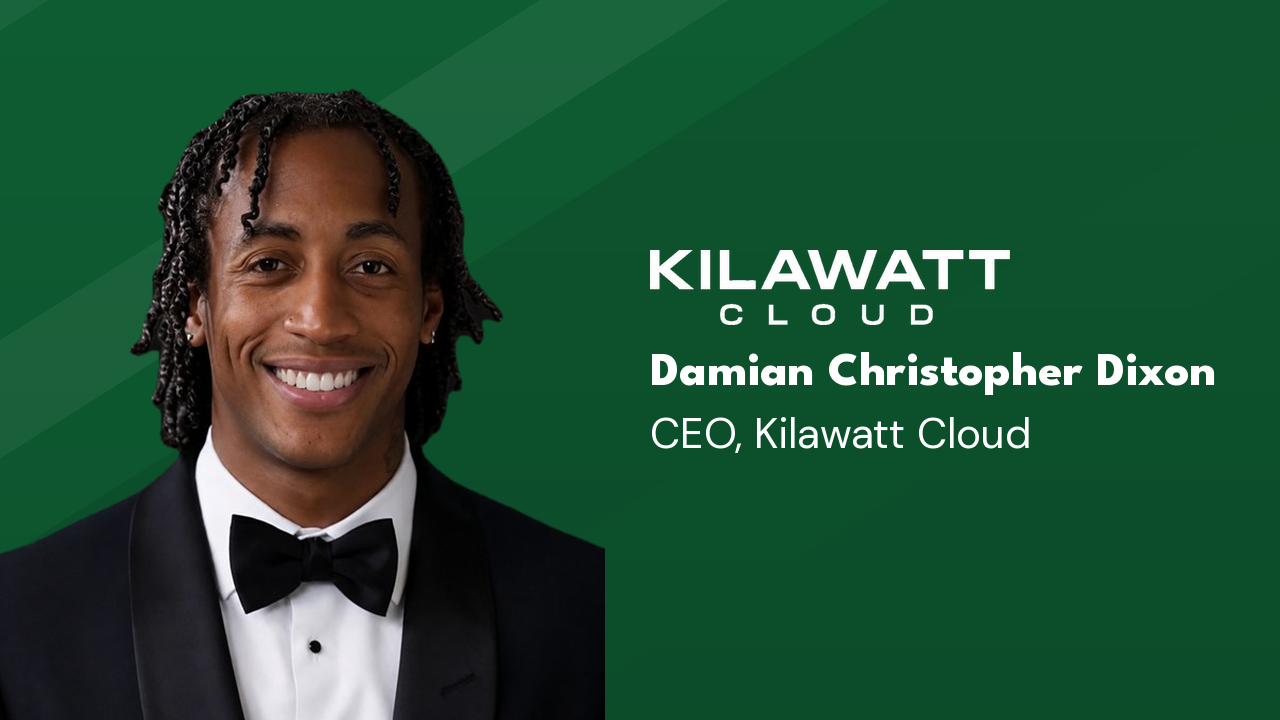
Damian Christopher Dixon is CEO of Kilawatt Cloud, which rents GPUs to software agents that pay per job in USDC over the x402 protocol. He described an AI agent testing that endpoint in a guest essay for FinTech Edition. FinTech Edition sent him five questions by email, and he answered in writing.
1. Your own test placed 200 of 329 jobs. What caused the 129 failures, and how often do external jobs fail for the same reasons?
October 8 was a stress test, and we ran it on purpose. We forced 329 placement attempts through our own wallet in a single burst to find where the system bends before a customer does. 200 reached ready state. Of the 129 that did not, 72 were refused by a supplier at placement, so no machine started and nothing was charged. The other 57 started but did not verify as ready, and they clustered on one GPU model at one supplier under burst load. We have not yet proven the root cause, and we do not claim one.
Advertisement

Across all 439 launches to date, 59.5% reached ready. A week later, a B200 run reached ready on 31 of 33 launched jobs (94%), on a different GPU class. We will not quote an external failure rate until we have outside volume to support it.
2. How many paying customers, human-run or agent-run, used the endpoint in September, and what was the median job size in dollars?
In September the endpoint settled 68 USDC payments from 3 wallets, with a median job of $0.04. All three wallets are ours, so we had no outside paying customers that month, and we say so publicly. The endpoint is live, payments settle on-chain, and the first outside testers are being recruited now. We report internal and outside usage separately, because a metric that blends them tells a buyer nothing.
3. Why let agents pay in USDC through x402 rather than by card or prepaid credits, and what has that choice cost you in fees or lost customers?
Agents do not have credit cards, signup forms or billing contacts. x402 lets an agent pay per request, receive a receipt, and run, with no account to open. It also fits the economics, because a median job of $0.04 is smaller than the fixed fee on a typical card charge. Prepaid credit accounts exist for human-run customers.
The cost is real, and I will name it: refunds return as account credit rather than on-chain, because the receiving address is managed through our payment processor. Closing that gap is on our roadmap.
4. When a job fails mid-run after payment, who absorbs the loss today, and how do you explain that to a buyer’s finance team?
Kilawatt absorbs it. If a machine never becomes ready, any charge is returned automatically as account credit. If a machine fails while running, our in-machine health agent detects the fault and issues a downtime credit under our SLA. The supplier cost stays with us.
The finance explanation is three sentences: you prepay a metered amount, every job has a receipt, and compute that did not deliver is credited back with no claims process. Our position is that agents should never be left paying for compute that was not delivered.
5. What failure do you expect from machine buyers that no tester has found yet, and what are you changing next quarter to prepare for it?
The failure I expect is the job that dies mid-run when the agent cannot resume its work. For an agent paying per request, that is the most expensive failure there is. Burst concurrency is the second, and our own October 8 test showed it.
So we are building checkpoint-aware failover. An agent saves progress, and a replacement machine on a second supplier resumes from the last checkpoint. We will prove it with repeated kill tests, measure the real recovery time, and publish every result, including the bad ones. We are also logging the reason behind every skipped supplier, so every miss has a recorded cause.
Source: written answers from Damian Christopher Dixon, CEO of Kilawatt Cloud, to FinTech Edition, 13 October 2026.