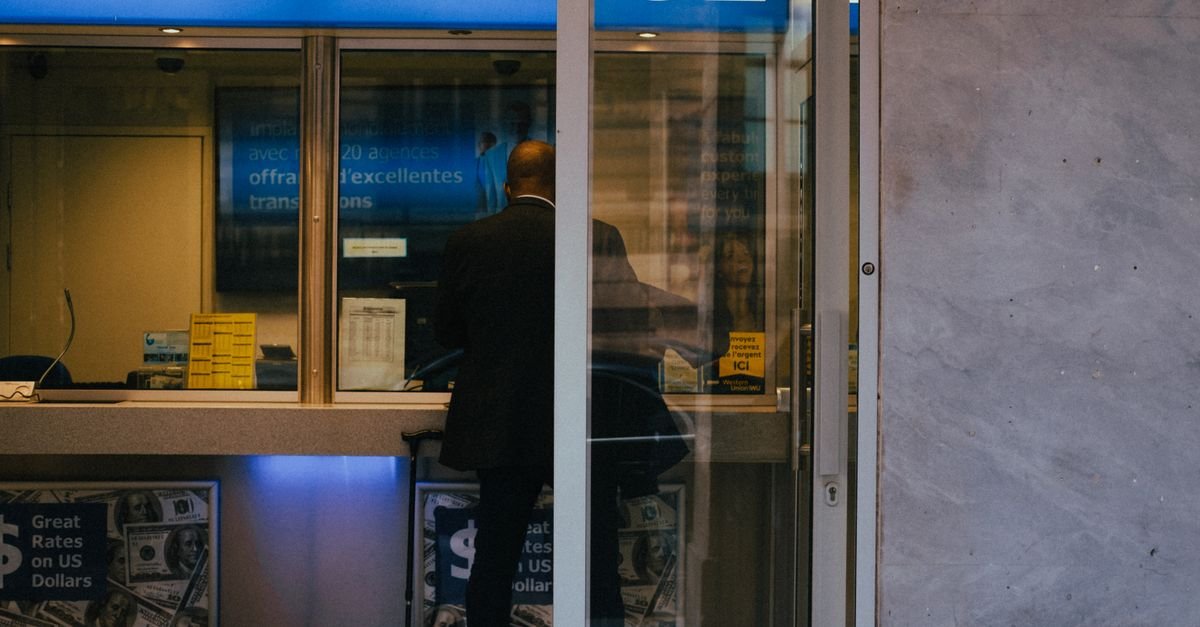


A remittance deal that had U.S. merger clearance and approval from 54 states, territories and foreign countries has ended over the conditions set by a single state regulator. Western Union said on November 10 that it delivered a notice terminating its agreement to acquire International Money Express (Intermex), after California’s Department of Financial Protection and Innovation (DFPI) sent final Conditions of Approval that the company called unacceptable.
For finance leaders at payment companies, the episode puts a number on a risk that usually sits in the closing-conditions section of a merger agreement: a money transmitter deal can clear almost everywhere and still stop at one licensing state.
What Western Union says happened
According to Western Union’s announcement, the DFPI delivered its final Conditions of Approval on the evening of November 10, 2026. Western Union said those conditions “would have required material changes to Western Union’s business model, its agent relationships and execution of its long-term business strategy.” The company’s board then decided to terminate the merger agreement after a review with legal and financial advisors and management.
Advertisement

The release does not publish the conditions themselves, and Western Union did not list them. What it does give is the company’s account of how the California approval unfolded:
- California granted the initial approval on February 11, 2026, without the conditions Western Union objected to.
- The DFPI granted extension requests on April 17, 2026 and July 31, 2026.
- Thirteen days after the second extension, the DFPI withdrew the approval it had granted.
- On November 10, the DFPI delivered the final Conditions of Approval that led to the termination.
Western Union said it had received approvals from every other jurisdiction, 54 states, territories and foreign countries in all, including merger clearance in the U.S. and change of control filings in the U.K. and Spain. Under the merger agreement, the release states, neither Western Union nor Intermex has to make any payment to the other because of the termination.
Devin McGranahan, President and Chief Executive Officer of Western Union, said: “While we are disappointed that we were unable to complete the acquisition on terms that were acceptable to Western Union, we believe this course of action is in the best interests of the company and its shareholders.”
What California said in August
The DFPI’s reasons for revisiting the deal appear in an earlier joint release. On August 14, 2026, Western Union and Intermex reported a DFPI letter dated August 13 that suspended the extension granted on July 31. In that letter, as quoted by the companies, the DFPI said the suspension was “based on a need to further review the transaction as a result of the intervening six months since approval was originally granted, and to further examine the impact of the proposal on operations in this state.”
The same release reported approval from the New York State Department of Financial Services, given after Western Union made commitments to the NYDFS on remittance services and locations in New York following the acquisition. We covered that approval when it came: Western Union Wins New York Nod for Intermex Deal.
Western Union’s November statement also addresses compliance directly. It said California did not identify any failure by Western Union to comply with legal requirements on the prevention of fraud and scams, money laundering, or fair and competitive access for customers, and that the company remains in compliance with its consent order with the Federal Trade Commission. The DFPI’s own reasoning for the final conditions is not in either release.
What the deal was meant to do
When the companies announced the agreement on August 10, 2025, Western Union agreed to acquire Intermex in an all-cash transaction at $16.00 per share, about $500 million in equity and enterprise value. Western Union said the deal would strengthen its retail offering in the U.S., and it expected about $30 million in annual run-rate cost synergies within 24 months. Intermex had 6 million customers, according to the announcement, and sends money from the United States, Canada, Spain, Italy, the United Kingdom and Germany to more than 60 countries.
The companies expected the transaction to close in mid-2026, subject to Hart-Scott-Rodino clearance, approvals from financial regulators and approval by Intermex stockholders. The regulator approvals ran past that window, and California’s final conditions led Western Union to terminate.
Why licensing approvals carry this much weight
Western Union’s tally shows the scale of the approval footprint for a retail remittance deal: 54 states, territories and foreign countries signed off, plus U.S. merger clearance, and California still had to act. Each of those regulators reviewed the deal on its own timetable.
That structure gives each licensing regulator its own say over the shape of the combined business. New York’s approval came with commitments on services and locations in the state. California’s final conditions, in Western Union’s description, reached the business model and agent relationships. Agent networks are the core of a retail remittance business, and Western Union’s 2025 announcement named Intermex’s “strong agent and customer relationships” as part of the reason for the deal.
In our reading, the Intermex termination shows that for retail money transmitters the state approval process can carry as much deal risk as antitrust review, and it can arrive late. California first approved the transaction in February. The final conditions that Western Union says led to the termination arrived about nine months later.
What it means for the finance leader
For acquirers and targets in cross-border payments and money transmission, three practical points follow from the record Western Union has published.
Model the state approval path, with dates
Western Union’s original release set a mid-2026 close. The California approval went through an initial grant, two extensions, a withdrawal and final conditions. A deal model for a licensed payments business should carry a timeline for each material licensing state, including the chance that an approval is reopened after it is granted.
Read the conditions, not only the approval
Both regulators that the releases describe in detail attached terms. New York’s were commitments on services and locations; California’s, by Western Union’s account, went to the business model. A finance team evaluating a combination should price the operating commitments a regulator could ask for, such as keeping branches, locations or agent arrangements in place, alongside the yes-or-no question of approval.
Know who pays if it stops
Here, according to Western Union, neither side owes the other a payment on termination. That outcome depends on how the merger agreement allocates regulatory risk. Buyers and sellers in licensed businesses should know before signing which party bears the cost when one state sets terms the buyer will not accept.
For customers and partners of either company, Western Union’s statement points to continuity: it said it remains focused on executing its strategy. Treasury teams that use either network for payouts have no change to make from the termination itself, though counterparty reviews should note that the planned combination will not happen.
Payment firms watching consolidation in cross-border money movement have other routes to scale, from new network memberships such as Payments Canada adding Remitly Canada and Nium to licence-led deals such as Payward’s agreement to acquire Saldo Bank.
Source: Western Union