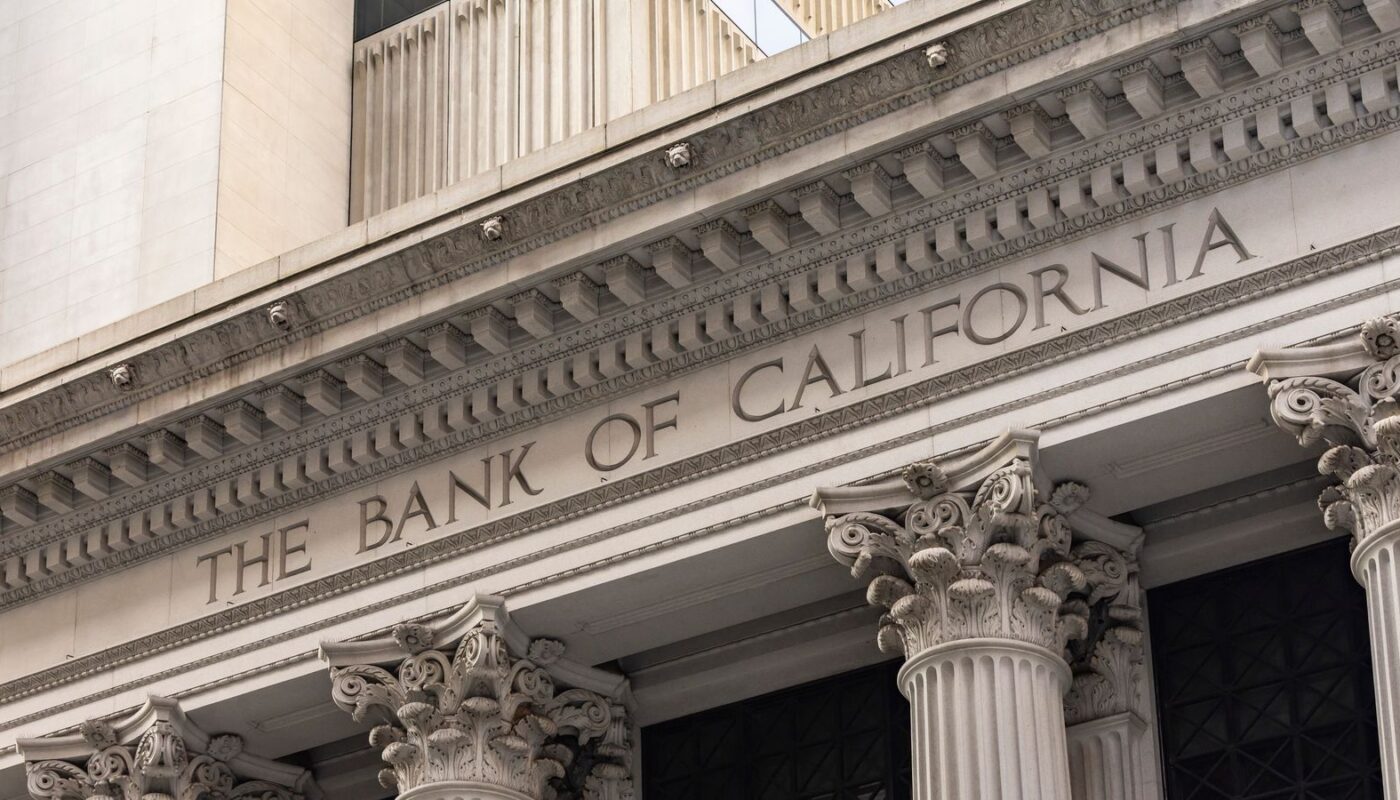

The federal bank charter is no longer a rubber stamp for fintechs with a Series B and a growth story. On August 4, 2026, the Office of the Comptroller of the Currency denied a national bank charter to bunq US Bank, N.A., the proposed American subsidiary of Dutch neobank bunq, in a six-page decision that reads like a checklist of everything regulators now expect a fintech-turned-bank to prove before it gets in the door. The denial lands in the same month Buy Now, Pay Later lender Sezzle told investors it intends to file its own OCC application by the end of September, choosing the national bank route over the industrial loan company charter it had been pursuing. Read together, the two moments say something the OCC’s earlier de novo approvals did not: the charter door reopened this year, but it did not swing wide open.
What the OCC Actually Objected To
The OCC’s decision letter, signed by Senior Deputy Comptroller for Chartering, Organization and Structure Stephen A. Lybarger, denies bunq USB’s application on five separate grounds: insufficient capital, inexperienced management, an unconvincing path to profitability, safety-and-soundness gaps, and organizers who did not demonstrate a working knowledge of U.S. banking law. On the capital question, the letter notes that bunq USB’s organizers gave the OCC shifting answers about where its initial funding would come from, first citing the personal holdings of founder Ali Niknam, then a dividend from his Dutch entity bunq B.V., without ever substantiating either source. The regulator concluded flatly: “Accordingly, the OCC denies the application as it presents significant supervisory and compliance concerns, hence approval of the application would be inconsistent with the policies set forth in 12 CFR 5.20,” Lybarger wrote.
The management critique is just as pointed. The OCC found that bunq USB’s proposed president and CEO had little grounding in U.S. banking law, planned to work part time, and intended to spend most of the year outside the country, despite unsecured credit cards, a product with no direct precedent in bunq’s European deposit-and-secured-card business, being the bank’s core lending line. The letter also flags a transparency problem: the OCC’s unfavorable finding on management character and fitness rests explicitly on “inconsistencies in what bunq USB’s management was communicating to the OCC.”
Advertisement

A Selective Door, Not a Closed One
The denial does not read as a retreat from the OCC’s broader openness to fintech charters. It reads as the filter that was always supposed to be there. The letter itself notes the rejection does not bar bunq from refiling, and the OCC has approved a run of de novo and conditional national charters this year for applicants who could show sufficient capital, seasoned management, and a credible U.S. business plan, a trend this publication covered when the agency’s own numbers showed approvals accelerating out of a multiyear drought.
Sezzle’s move fits the same pattern from the other direction. The BNPL lender’s decision to pursue an OCC national charter rather than an industrial loan company license follows a wave of state-level BNPL rules in New York, Illinois and Oregon, plus criticism of the ILC structure from banks and consumer groups, according to comments its executives made alongside the company’s second-quarter 2026 results. Sezzle expects the OCC, Federal Reserve and FDIC approval chain to take 12 to 18 months once it files, a timeline that assumes exactly the kind of capital and governance detail bunq USB could not produce. The FDIC’s own move to a faster two-phase de novo review process, announced the same week as the bunq denial, is the regulatory counterpart: agencies are streamlining the path for applicants who clear the bar, not lowering the bar itself.
What It Means for the Finance Leader
For a fintech weighing a charter, the bunq file is a preview of the diligence to expect: examiners will test whether stated capital sources are real and available, not aspirational; whether proposed executives have direct experience in the specific lending product the bank plans to run, not adjacent experience from a different market; and whether the organizing group can explain, consistently, how the U.S. entity’s risk profile differs from any foreign affiliate’s. A European or otherwise foreign-parented fintech applying for a U.S. charter should expect the OCC to weigh the parent’s track record, including what happens to earnings when interest rates fall, as bunq B.V.’s did in 2024 and 2025, against the same lending line the U.S. bank plans to build.
For banks and processors watching the charter queue for competitive threats, the practical read is narrower than the headlines suggest: a handful of well-capitalized fintechs with seasoned banking management, not every well-funded consumer app, will clear this bar. That is a smaller set of new competitors, arriving on a slower and more predictable timeline, than the “fintechs are becoming banks” framing implies.
What to Watch Next
Two things will confirm whether this is a pattern rather than a single tough decision. First, whether bunq refiles with a more conventional capital and management structure, as the OCC’s letter explicitly invites, or abandons the U.S. market. Second, whether Sezzle’s application, once filed, moves through the process on the timeline it has told investors to expect, or hits the same capital and governance questions that sank bunq. Either outcome will tell fintechs more about the real charter bar than another year of de novo approval statistics.