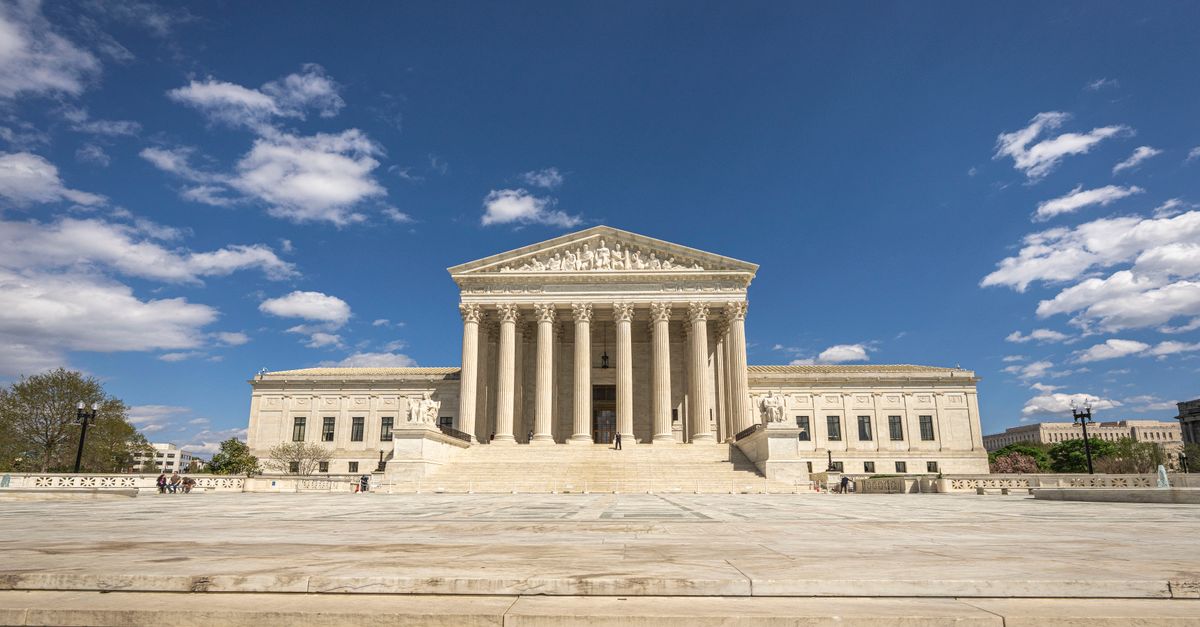
A six-year fight over whether a crypto-focused bank can plug directly into the Federal Reserve’s payment rails just picked up its most institutional backers yet, days before the Fed has to answer for the first time at the Supreme Court.
What happened
The Blockchain Association and the Digital Chamber each filed amicus briefs on August 12 and 13 supporting Custodia Bank’s petition asking the Supreme Court to review whether regional Federal Reserve banks have unchecked discretion to deny master account access to eligible state-chartered banks. Separately, Senator Cynthia Lummis and former Senator Pat Toomey filed their own brief backing the petition. Custodia, a Wyoming-chartered digital-asset bank founded by Caitlin Long, first applied for a master account in 2020; the Kansas City Fed denied it in 2023, and Custodia lost at both the district court and the 10th Circuit. The Kansas City Fed must respond to the petition by September 11, and the Court has not yet decided whether to hear the case.
Why it matters
A master account gives a bank direct access to Fed payment systems without routing through another bank as an intermediary. Custodia’s argument, that the Monetary Control Act requires Reserve Banks to give equal access to eligible nonmember institutions, would apply well beyond crypto if the Court takes the case and rules in its favor. Any state-chartered institution a regional Fed bank currently disfavors would gain a clearer legal path to challenge a denial.
The angle
The trade-group and bipartisan lawmaker backing signals this has moved from a niche crypto grievance to a live debate over how much discretion regional Fed banks should hold over market access generally, a question adjacent to the tokenization push covered in this publication’s report on banks and exchanges building global infrastructure hubs for tokenized assets. It also tracks a broader charter-access story this year, detailed in the OCC’s own surge in new bank charter approvals, where the fight has shifted from whether nontraditional institutions can get chartered at all to whether, once chartered, they get the same infrastructure access as everyone else.