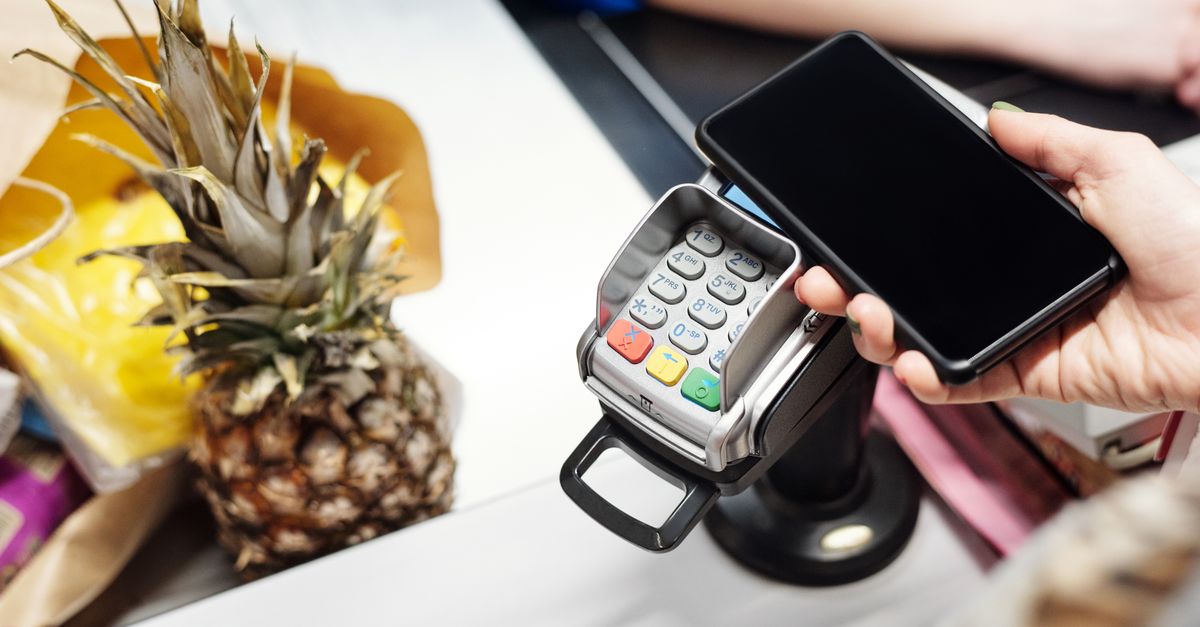
Brazil is proving that a strong real-time payment rail can substitute for a credit card, not just compete with one. EBANX and Pagaleve announced a partnership on July 29 to launch Pix 4x, a buy now, pay later product that splits purchases into four biweekly installments settled through Pix, the country’s instant payment system used by about 170 million consumers, 96% of the adult population.
The mechanics matter here: shoppers pay the first installment at checkout, merchants are paid in full upfront, and Pagaleve absorbs all default risk using a machine learning engine that completes a credit assessment across more than 100 data points in under three seconds. EBANX Director of Product Sebastian Fantini said the design targets a specific gap: “Brazil has one of the world’s most sophisticated payment ecosystems… millions of consumers have been locked out of installment payments due to credit barriers.” Pagaleve Chief Commercial Officer Eduardo Zucareli described the underlying shift as structural: “The model breaks down traditional barriers because it doesn’t require consumers to have a credit card or limit available.”
Why it matters: an estimated 60 million Brazilians lack a credit card, yet installments already made up 47% of the country’s e-commerce transaction value in 2025. Pix 4x is a bet that Brazil’s near-universal instant payment rail, not a card network, is now the fastest distribution path to reach that underserved installment demand at national scale.
The original angle worth watching: this expansion is happening with no new licensing regime attached, in sharp contrast to the US, where New York’s DFS just proposed a dedicated BNPL licensing regime before installment lending scales further. Brazil’s approach suggests that markets with mature, near-universal real-time payment infrastructure can scale consumer credit products through partnership and risk-engineering alone, while markets still building that rail default to regulating BNPL first and scaling it second.
Source: PR Newswire