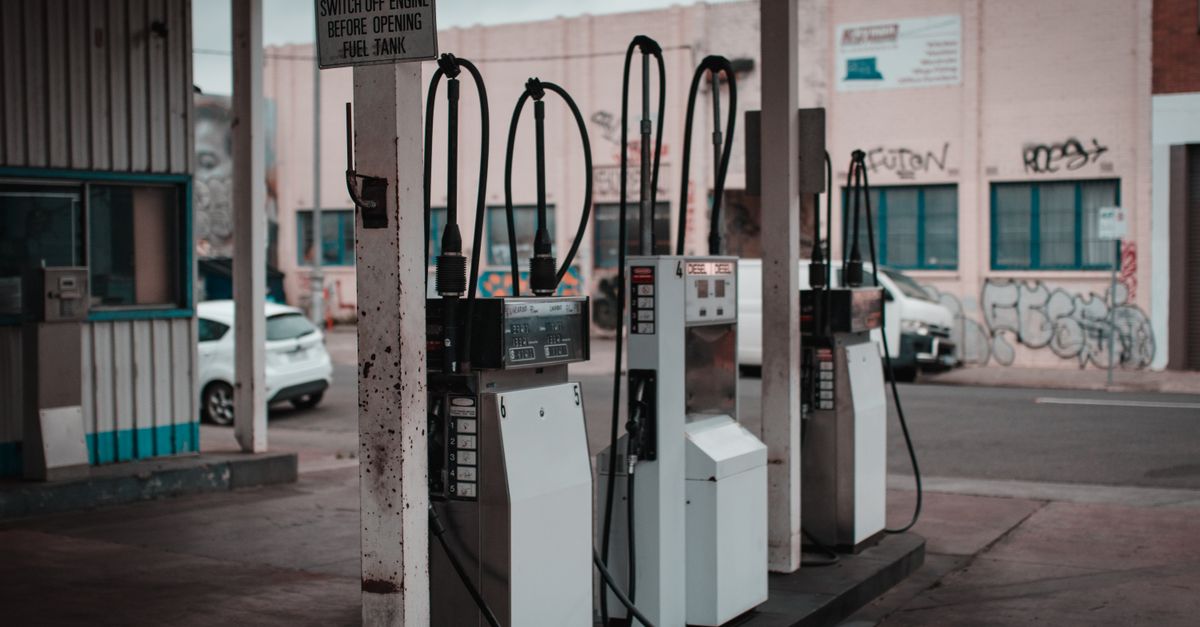
Unattended payment terminals, gas pumps, self checkout lanes, outdoor kiosks, are the hardest devices in the payments system to physically watch, which is exactly why criminals target them with card skimmers. Verifone was granted US Patent No. 12,664,553 for Wireless Tamper Detection, technology that lets a terminal continuously monitor its own radio signal environment and flag when something has physically changed in a suspect way, including changes invisible to a human inspecting the machine. Chief Information Security Officer Will Morgan said the approach asks a terminal “to autonomously recognize when its own physical environment has changed in a suspect or unnatural way,” rather than hunting for one specific attack signature.
Why it matters: the FBI puts the annual cost of card skimming to US consumers and financial institutions at roughly $1 billion, and FICO recorded a 5 percent rise in skimming incidents in 2025. Terminal fleets are large and expensive to physically upgrade, which has made hardware based anti skimming a slow, capital heavy fix. Verifone’s patent runs on radio hardware terminals already carry for network connectivity, so the protection ships as a software update rather than a truck roll to every gas pump and kiosk, changing the economics of covering an installed base that is normally refreshed on a multi year cycle.
The open question is deployment, not detection. A patented capability that never reaches installed terminals protects no one, and Verifone has tied the rollout to “Verify Your Verifone Security,” a merchant facing campaign it will run each October starting this year to push software updates and security checks rather than hardware swaps. That puts the burden back on merchants to actually apply the update, the same adoption gap that has slowed other fraud controls like the UK’s mandatory fraud reimbursement rule, where the mechanism worked only once liability forced faster action.
Source: GlobeNewswire