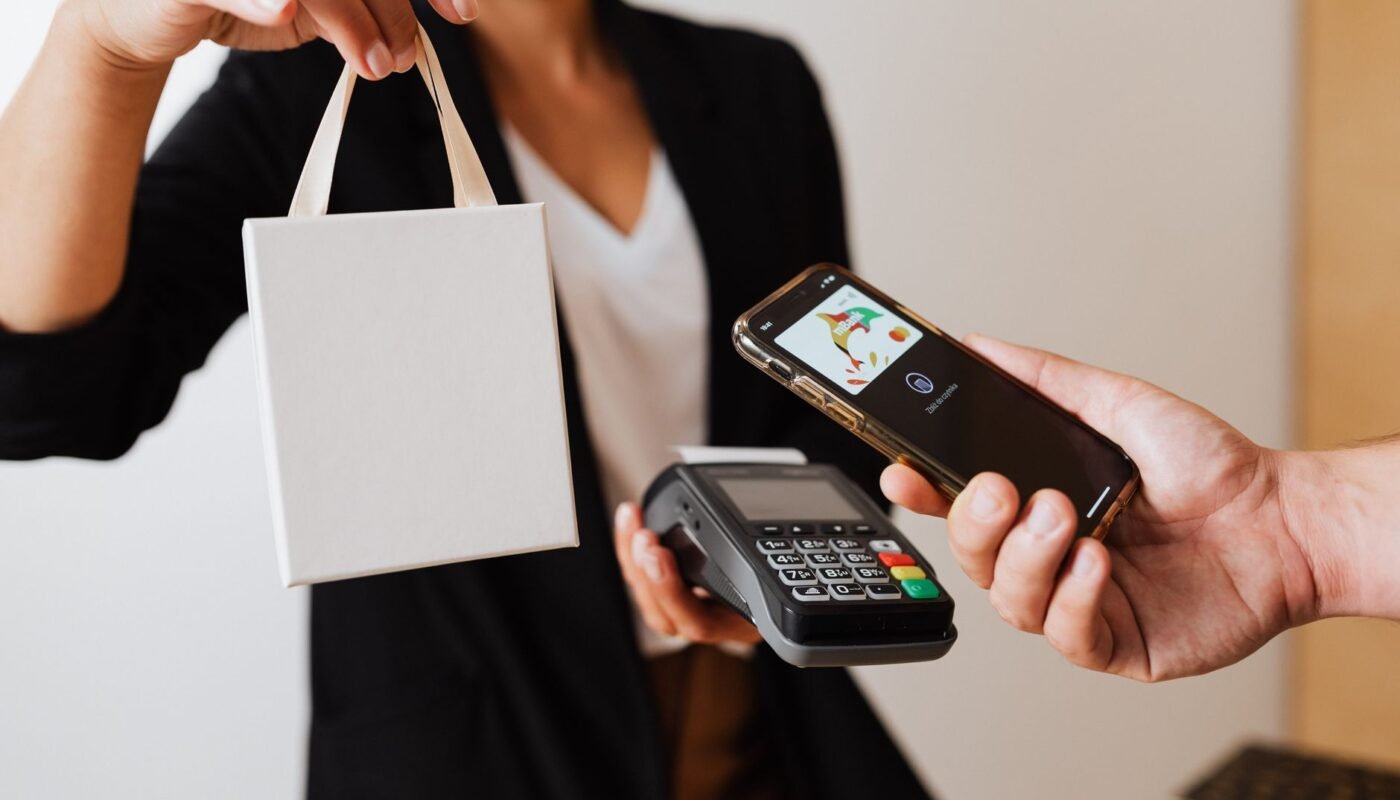


Google released its Wallet app for iPhones in the United States on November 17 and said in the same announcement that tap-to-pay does not work on iOS. Four outlets covered the launch within a week and each told a different story about it. Read together, they point to the part of a card payment that Google is going after, which sits well away from the store counter.
What Google launched
According to Google’s announcement, Wallet on iOS syncs with Gmail and other Google apps to collect package tracking, boarding passes, concert tickets and receipts. It scans loyalty and gym cards with the phone camera, stores payment cards for faster online checkout across Google and anywhere Google Pay is accepted, and shows order confirmations, receipts and delivery updates for what Google calls agentic purchases made across its services.
The post is bylined by P.J. Linarducci, Vice President, Consumer Payments at Google. It contains one sentence about the missing feature: “Please note that tap-to-pay functionality isn’t supported on iOS at this time.” The post gives no reason and no date.
Advertisement

Four accounts, four stories
Juli Clover at MacRumors wrote the story as a question about Apple’s terms. She reported that Apple has allowed NFC contactless payments in third-party apps since iOS 18.1, that doing so requires a commercial agreement with Apple, and that this “may be why Google hasn’t implemented support.” Her own line is blunter: “Google could add contactless payments, but it would need to pay Apple’s fees.” She presents the fee explanation as a possibility. Google has not confirmed it.
Varun Mirchandani at Digital Trends read the launch as a consumer app arriving on a rival platform. He wrote that “tap-to-pay isn’t supported, so Apple Pay isn’t getting kicked out of the checkout queue just yet,” and described the app as “less of an Apple Wallet replacement and more of an alternative for people already invested in Google’s services.”
Shalom Levytam at iClarified stayed with what Google had said and had not. He noted that saving a card in the app does not enable contactless payments on the iPhone, and that “Google has not announced when that might change.” Levytam also reported that Google plans to use Wallet to track purchases made by its AI shopping agents, and that the app is free on the US App Store and needs iOS 17.0 or later.
PYMNTS published the widest account, on November 23, and tied the launch to two other items. Google also let its Gemini assistant check out with Google Pay, using supported Visa and Mastercard cards. According to PYMNTS, “A shopper can set a spending limit and confirm before Gemini buys.” And PYMNTS reported, citing Bloomberg, that Corey Fugman will succeed Jennifer Bailey as head of Apple Pay and Wallet. Its argument is that the choice of which card gets used is moving earlier in the purchase, before the transaction reaches the bank.
Where the accounts split
All four agree on the facts. They disagree on whose decision explains the gap, and only one of them offers an explanation at all.
MacRumors places the cause with Apple and its fee structure, and labels that as a guess. Digital Trends places the meaning with the consumer and treats the missing feature as the reason the launch is minor. iClarified places it on a calendar Google has not published. PYMNTS skips the gap and writes about the issuer. None of the four reports a reason from Google. The only Google statement they draw on is the one in the announcement.
The accounts also differ on the weight to give the launch. Digital Trends says Apple Pay is safe for now. PYMNTS says the card choice is moving upstream. Both can be true on the same day, because they measure different things. One is the tap in a store. The other is the saved credential that an online checkout or an AI agent picks.
What the coverage adds up to
In our reading, the launch makes sense once the feature list is read as a whole. Every item Google put on the iOS app is about records and online credentials: tickets, receipts, delivery status, saved cards for web checkout, and a log of purchases made by Google’s agents. The one thing it left out is the one thing that needs Apple’s permission. Google shipped everything on iPhone that it can ship without a commercial agreement with Apple, and the shipped list is mostly a ledger of what a person bought and which card paid.
That matters because of where the data about a purchase sits. A tap at a terminal tells a bank that a card was used. An order confirmation in Gmail, a receipt in Wallet and a Gemini task with a spending limit tell Google what was bought, from whom, and under what rule. The Wallet app on a rival’s phone can extend that view to iPhone owners who already use Gmail.
The PYMNTS figures show why the store tap is still worth defending, and also where it stops. PYMNTS Intelligence, in an October report cited by PYMNTS, put Apple Pay at 10.5% of eligible US in-store purchases in 2026, up from 8.9% in 2024, and found that 54% of wallet users keep just one payment method in their preferred wallet. The second number is the one issuers should keep. A wallet that holds one card for most of its users makes the first card saved the default for every later purchase, including the ones an agent makes.
We have covered the same pieces separately. The UK Competition and Markets Authority’s proposal to require Apple to open iPhone contactless access addresses the tap. Visa’s AI shopping benchmark and Stripe’s report on agent purchases through Link address what happens when software, rather than a person, completes the purchase. The Google launch sits between the two. It leaves the tap with Apple, and it takes the online credential and the receipt.
What it means for the finance leader
For a card issuer, the practical task is to be the card saved in the wallet before a purchase begins. That means checking how the card appears in Google Pay and in Wallet on iOS, whether it is offered as the default for Gemini checkout, and whether a customer who sets a spending limit for an agent can see which of their cards the agent will use.
For a merchant, the launch changes little at the terminal, since Apple Pay remains the way to tap on an iPhone. It changes more online, where Google Pay is accepted in the places Google lists and where agentic checkouts will use the same saved credentials.
For a treasury or payments team, the open items are reporting and reconciliation. Purchases made by an agent show up as order confirmations in a Google app. Whether those records match the card statement, and who owns the dispute when they do not, is a question each company’s finance team has to answer for itself, because none of the four accounts addresses it.
What to watch
Three developments would change this reading. The first is a Google statement on tap-to-pay on iOS, which would settle whether MacRumors’ fee explanation is right. The second is a published list of cards and issuers supported in Gemini checkout beyond Visa and Mastercard. The third is the first public figure for how many iPhone owners install Wallet, because the app’s value to Google depends on how many people use it.
Source: Google, “Google Wallet is now available on iOS in the U.S.”