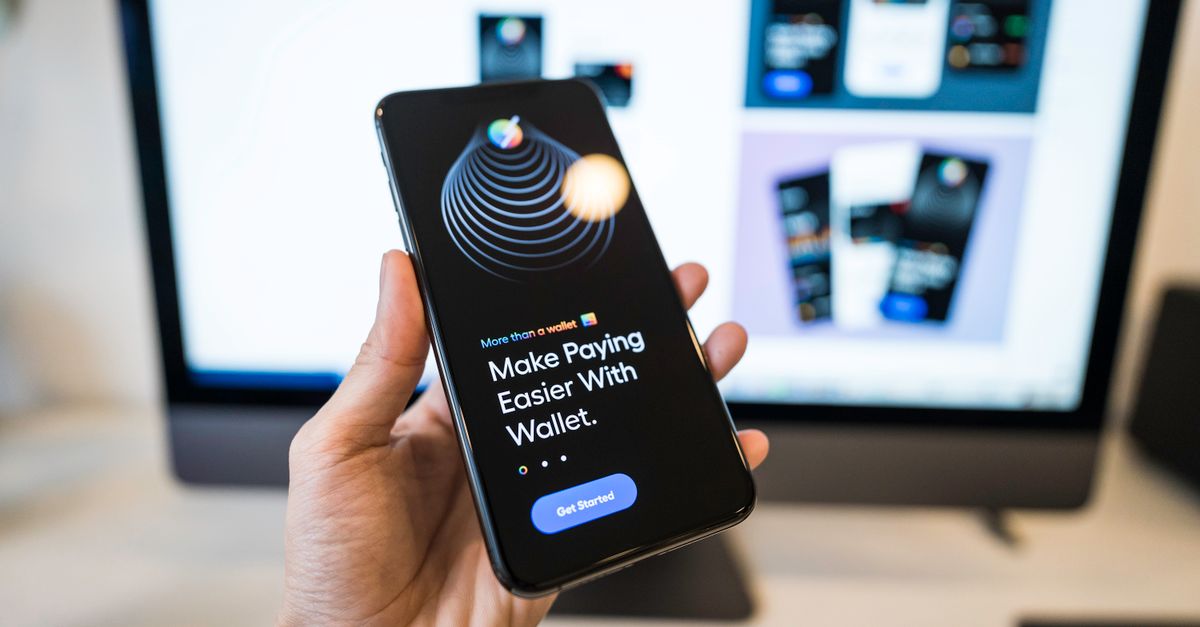
PicPay, the Brazilian digital bank with more than 70 million customer accounts, announced on September 3 that it is integrating with Claude, Anthropic’s AI assistant, so customers can check balances, bills, investments, cards and Pix contacts by asking in natural language rather than opening the app and navigating menus. The rollout starts with an early access list on iOS and Android and is free regardless of a user’s Claude subscription tier.
Why it matters: this is a financial information layer, not a transaction layer. PicPay customers can view account and savings balances, outstanding bills, investment positions, active cards, favorite Pix contacts, recent and upcoming transactions, and credit card statement details inside Claude, but the integration does not currently let them move money or execute trades from the assistant. The same facial biometric authentication PicPay uses in its own app secures the connection. The original insight is in the sequencing: PicPay shipped a ChatGPT plugin first and is now adding Claude, which suggests digital banks increasingly plan to meet customers inside whichever AI assistant they already use rather than betting on one model provider, treating the assistant layer the way banks once treated browsers, as a surface to be present on regardless of which one wins.
“As many of our customers take advantage of the leading generative AI platforms in their daily lives, we are focused on connecting PicPay with these ecosystems to create a more seamless financial experience,” said Eduardo Chedid, chief executive of PicPay.
The move sits inside a fast growing category of banks and processors wiring AI assistants directly into account access, following Anthropic’s own push into commerce with Visa and Mastercard and Google Cloud’s parallel effort to embed agentic AI into financial infrastructure. Read only access to account data is the conservative first step nearly every institution is taking before anyone lets an assistant actually spend.
Source: GlobeNewswire