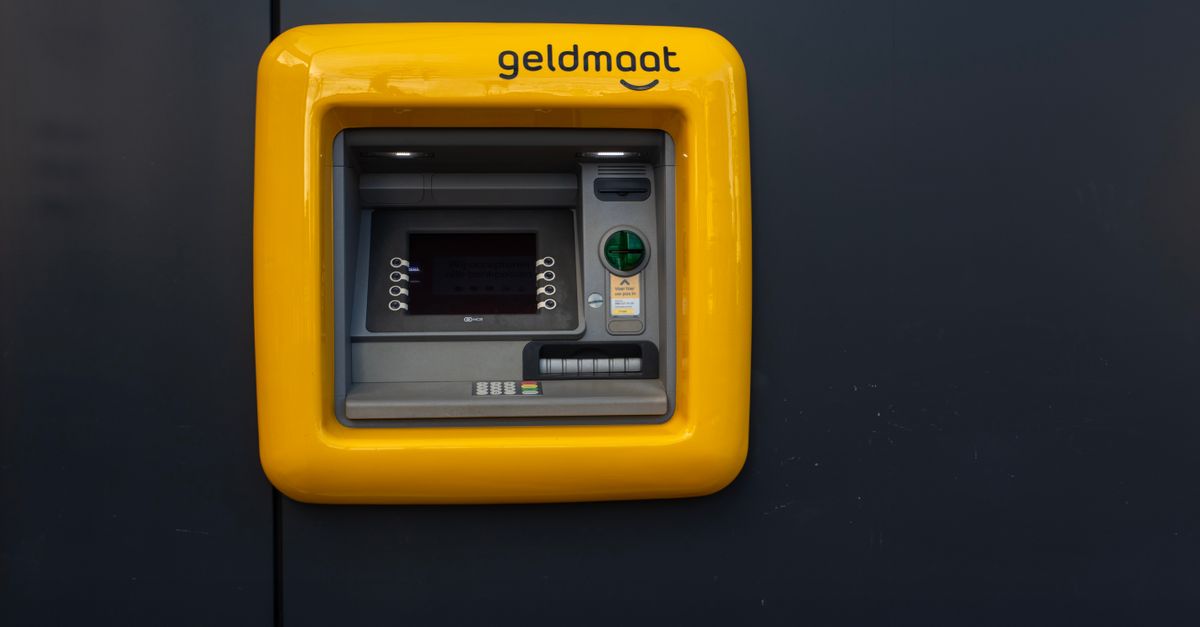
The UK’s Competition and Markets Authority formally launched a Phase 1 merger inquiry on August 26 into Brink’s Company’s $6.6 billion acquisition of NCR Atleos, the ATM and cash-management infrastructure provider. The CMA has until October 22 to decide whether the deal needs a deeper Phase 2 investigation. Brink’s agreed to the deal in February, structured as $2.2 billion in cash, 13.3 million shares of its common stock, and roughly $2.6 billion of assumed NCR Atleos debt, and described the combined company at the time as a “leading financial infrastructure company.”
Why it matters: cash usage has fallen for a decade, but the infrastructure that moves and stores physical cash, ATMs, vaults, armored transport, cash-recycling networks, has been consolidating in the opposite direction. Brink’s and NCR Atleos are two of the largest remaining independent players in that infrastructure, and a regulator stepping in to scrutinize the tie-up is a signal that the CMA sees a shrinking market with fewer competitors as a competition risk worth examining now, not a category it can afford to wave through as terminal decline. A similar consolidation logic is already playing out in adjacent back-office infrastructure, as seen in asset managers buying up the advisor technology stack.
The original insight financial leaders should take from this: cash infrastructure is behaving like a scarce, defensible asset rather than a declining one, which is exactly the pattern that draws antitrust attention. When two of the last major independent providers in a shrinking category try to merge, regulators increasingly treat “there are fewer of you left” as a reason to look harder, not a reason to assume the market will fix itself. Banks and retailers that depend on Brink’s or NCR Atleos for cash logistics should expect this review, and any conditions it eventually attaches, to shape pricing and service terms in cash handling for years, in the same way scrutiny of consolidation has reshaped fraud-prevention vendor deals like Basware’s acquisition of Trustpair.